

When we speak about company corporations, we're describing a specific legal entity separate from its owners, designed to perform organization. Organization firms are established to participate in industrial activities, and they possess a lot of the very same legal rights and obligations as individuals. This means a firm can enter right into contracts, very own assets, employ staff members, sustain obligations, and pay taxes. One of one of the most appealing facets of a corporation is restricted liability, a lawful construct that shields the individual possessions of the shareholders from insurance claims versus the company's debts and obligations. This is specifically essential in industries where services deal with significant threats and responsibilities.
Companies are identified by their framework, normally entailing investors, a board of directors, and officers. Shareholders are the proprietors of the corporation, and they invest funding into the service in exchange for shares of supply, representing ownership. The board of directors, elected by the investors, oversees the broader critical goals of the company and appoints the police officers that manage the daily operations. This framework not only assists in arranging the monitoring and duties within the company yet additionally helps with growth and scalability. Depending upon the jurisdiction, companies are categorized and managed in different ways, frequently affected by elements like possession, market, and dimension. Understanding these entities is crucial for anyone included in the organization world, whether they are capitalists, experts, business owners, or attorneys.
Understanding the Basics of Business Firms
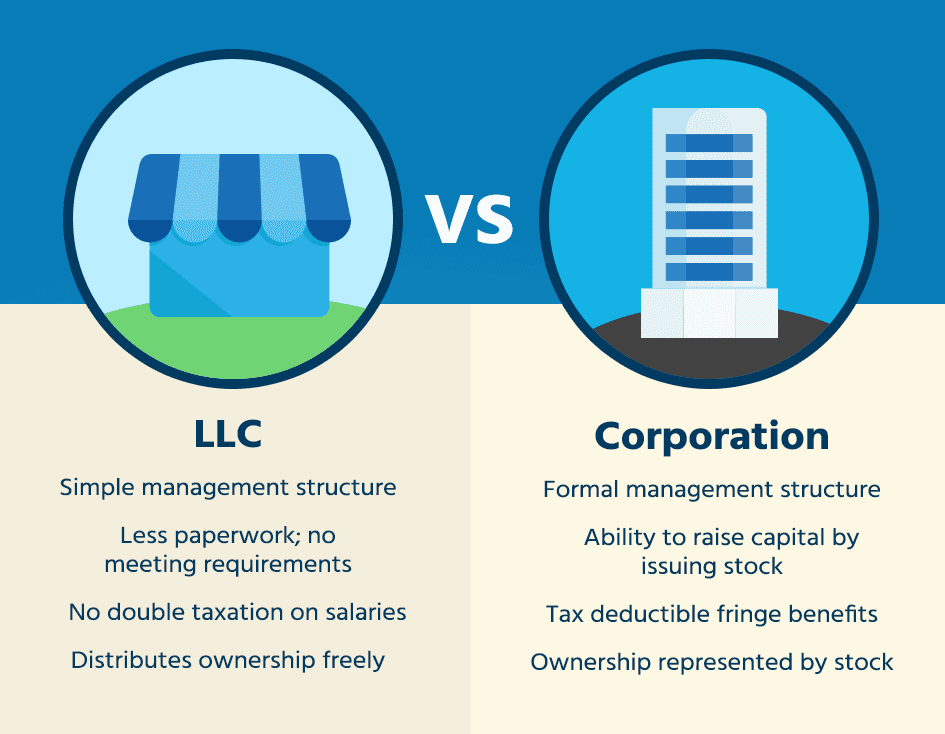
Organization firms are complex entities that function as the foundation of the contemporary economic climate, promoting not just the gathering of funding however additionally the distribution of items and solutions at a range or else unattainable. Structurally, a company is a lawful entity separate from its proprietors, referred to as investors, who appreciate minimal responsibility, suggesting their individual assets are protected from organization financial obligations and liabilities. This separation offers a layer of protection for people to spend in potentially risky ventures without direct exposure to personal economic threat. Companies are regulated by a board of supervisors, elected by investors, which looks after significant decisions and sets the strategic direction of the service. The everyday operations, however, are managed by officers and supervisors that manage the logistical and functional tasks required to keep the business working efficiently. how to start a cleaning business in california of the most substantial facets of a firm is its ability to elevate resources via the sale of supply, a process that can infuse a company with the necessary sources to introduce and broaden. This function not only democratizes riches, allowing the ordinary individual to own a piece of a significant business yet also gas economic development by carrying funds into productive usage within the economic climate. Additionally, corporations go through certain tax responsibilities that differ considerably from those of partnerships or single proprietorships. The company tax structure is created to tax profits at the business degree before any kind of rewards are distributed to shareholders, that then also pay earnings tax obligation on these rewards, a sensation referred to as double tax. In spite of this, the advantages, consisting of the ability to reinvest revenues back right into the company at a possibly lower tax price, usually outweigh these financial burdens.
The global reach of firms impacts global trade plans and economic techniques far beyond their regional jurisdictions. International companies, as an example, run across numerous countries, typically optimizing their procedures to gain from reduced labor costs and favorable tax obligation environments. ltd canada meaning to operate across boundaries efficiently makes corporations principals in international economics, affecting everything from labor markets to global connections. The range and impact of big business firms recommend their crucial duty not just in creating economic wealth, yet likewise fit societal norms and legislative landscapes across the globe.
Understanding the Structure and Feature of Business Firms
Business companies, likewise frequently referred to as bundled entities or company entities, are lawful frameworks specifically developed to perform company. They are recognized as different lawful entities from their proprietors, which means they can have residential or commercial property, incur financial debt, be or file a claim against filed a claim against, and are liable for their activities, separate from those of their shareholders. This distinction gives an essential layer of defense for shareholders' personal properties versus the company's obligations. In terms of framework, a firm is usually controlled by a board of supervisors, elected by investors, which supervises the significant policies and decisions. The board assigns officers such as the CEO, CFO, and COO, who manage the daily procedures of the company. Companies are typically favored by business owners due to their ability to elevate funding through the sale of stock-- an attribute that can be significantly beneficial for growth and development. Shareholders profit not just from restricted responsibility however additionally from the possibility for earnings through returns and stock recognition. However, corporations go through rigid regulatory requirements, including routine filings with federal government entities and comprehensive record-keeping. These demands can be viewed as a double-edged sword: while they make certain transparency and accountability, they also develop a complicated layer of administration that can be challenging to navigate. Taxes is one more important aspect of corporate framework. Unlike collaborations or single proprietorships, corporations are exhausted as separate entities, typically resulting in what is recognized as "double taxation," where income is tired at the business degree and afterwards again as investor rewards. Despite this, lots of choose the corporate type for its permanence and stability, as companies can proceed forever, despite adjustments in ownership or administration. In general, recognizing the intricacies of just how a business firm features is important for both managing a corporation and investing in one. With their ability to minimize personal danger, generate resources, and harness cumulative talent and resources, firms play a critical function in the international economic climate. They provide durable chances for development and success however require careful factor to consider of legal, monetary, and supervisory facets to truly grow.
Strategic Value of Company Framework in Business Success
The style of a company firm, usually defined by its business framework, plays a critical function in its functional effectiveness and market success. This structure dictates the hierarchy of authority, the circulation of obligations, and the circulation of details within the firm, all of which are essential for timely decision-making and effective management. In bigger firms, a properly designed structure can help in keeping a clear line of command and help with simpler communication throughout numerous divisions, which subsequently improves responsiveness and dexterity. Furthermore, the organizational structure of a company can dramatically influence worker spirits and productivity. By clearly specifying duties and obligations, it not only aids in lowering uncertainties yet additionally empowers employees by offering them a clear sense of purpose and direction within the business. In addition, an optimal business framework is instrumental in accomplishing tactical business objectives via streamlined procedures and boosted operational effectiveness. It enables firms to deploy their sources more efficiently and align their initiatives with their overall company strategy, which is important in keeping an one-upmanship in today's fast-paced market atmospheres. Lastly, the versatility of the company structure to outside modifications, such as market characteristics or governing changes, is also essential. It makes sure that the corporation can pivot and adapt without shedding momentum, thereby securing its long-lasting sustainability and success. Comprehending and applying one of the most suitable company framework is as a result not merely a management job, but a strategic imperative that can determine the future trajectory of a company.
Strategic Management in Service Corporations
Strategic management within organization corporations is a multifaceted technique that requires a deep understanding of the interior and external settings in which a firm runs. This process includes the solution and execution of significant goals and initiatives, taken by a business's leading management on part of owners. It is based upon consideration of sources and an evaluation of the outside and inner settings in which the organization contends. Among the essential facets of tactical administration is the facility of a robust organizational framework that lines up with the company's vision, goal, and lasting purposes. This alignment is important as it guarantees that the company remains concentrated on accomplishing its goals despite the transforming dynamics of business landscape. Calculated administration also requires effective management that can motivate and inspire workers while navigating the intricacies of the market and competitors. Leaders have to be experienced at making essential choices that can affect the company's trajectory, commonly under significant pressure. For visit my webpage , in reaction to technological innovations or shifts in consumer preferences, leaders should quickly decide whether to adapt existing strategies or to reorient the firm's direction completely. This dexterity can be the distinction in between preserving significance and falling back in the market. Additionally, strategic administration includes continuous evaluation and tracking of business environment to identify emerging fads, chances, and threats. Tools such as SWOT evaluation (Toughness, Weaknesses, Opportunities, Threats) or PESTLE analysis (Political, Economic, Social, Technological, Legal, and Environmental aspects) are commonly used to promote this procedure. By comprehending these elements, companies can much better position themselves to maximize possibilities while mitigating threats. To conclude, calculated monitoring is not nearly planning but also concerning developing and adjusting in feedback to the business setting. It needs a disciplined method to decision-making and resource allotment, making sure that all efforts are guided toward one of the most promising chances. By doing so, firms not just grow but survive in open markets, constantly readjusting their approaches to satisfy and go beyond stakeholder expectations.